
Athletic Performance & Gym Nutrition
Comprehensive guide to optimizing your fitness results through science-backed training and nutrition strategies
The information on this site is for educational purposes only and does not constitute medical advice. Always consult a qualified healthcare professional before making health decisions.
Core Features of Our Platform
Personalized Workout Plans
Access detailed training routines designed for various fitness levels and goals. Whether you're building strength, increasing endurance, or improving flexibility, our guides provide step-by-step instructions with proper form cues and progression strategies.
Nutrition Science Insights
Discover how macronutrients and micronutrients fuel athletic performance. Our content breaks down protein requirements, carbohydrate timing, hydration strategies, and supplement information backed by current nutritional science research.
Performance Tracking Guidance
Learn how to monitor your progress through measurable metrics like strength gains, body composition changes, and recovery markers. We provide frameworks for tracking workouts, nutrition adherence, and adjusting your approach based on real data.
Recovery & Wellness Principles
Understand the critical role of sleep, stress management, and active recovery in athletic development. Our guides explain how rest days, mobility work, and proper nutrition support muscle repair and long-term performance improvements.
Meal Planning Frameworks
Explore practical approaches to nutrition planning that align with your training goals. Learn about caloric needs, meal timing relative to workouts, and how to structure daily eating patterns that support muscle growth and energy optimization.
Supplement Education
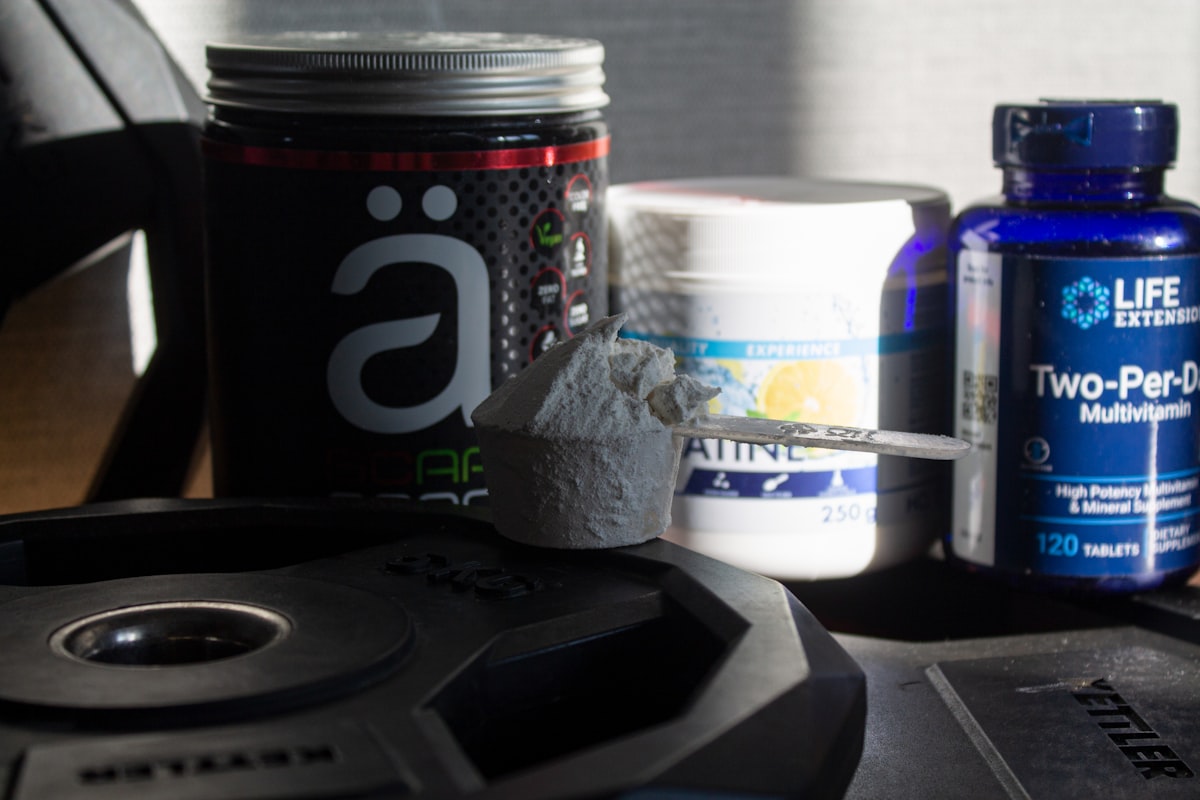
Get evidence-based information about common athletic supplements including protein powders, creatine, amino acids, and vitamins. Learn what the research says, how to evaluate quality, and how different products fit into a comprehensive nutrition strategy.
Why Science-Based Approach Matters
Athletic performance improvements rely on understanding the physiological principles governing muscle growth, energy systems, and metabolic adaptation. Our content is grounded in sports science research rather than marketing claims or trends.
Evidence-Based Recommendations
All guidance comes from peer-reviewed studies and established sports science principles, not personal opinion or unsubstantiated claims.
Adaptable to Individual Needs
We provide frameworks and principles you can adjust based on your unique circumstances, preferences, and how your body responds to training and nutrition.
Practical Implementation Focus
Beyond theory, we emphasize actionable strategies for integrating training and nutrition principles into your daily routine and lifestyle.
Transparent About Limitations
We clearly distinguish between what research strongly supports, what shows promise, and what remains uncertain or requires more study.
Your Path to Athletic Excellence
Assess Your Starting Point
Begin by evaluating your current fitness level, training experience, and nutritional habits. Understanding where you stand helps identify which resources and strategies will benefit you most. Consider your available equipment, time commitment, and specific performance goals.
Learn Core Principles
Explore our foundational content covering how muscles adapt to training, the role of progressive overload, nutrition timing, and recovery requirements. Building this knowledge base empowers you to make informed decisions beyond just following generic programs.
Select Your Training Focus
Choose workout approaches aligned with your goals—whether strength building, muscle development, endurance improvement, or athletic power. Our guides provide detailed progressions, form standards, and exercise variations to prevent plateaus and adapt as you advance.
Establish Nutrition Strategy
Develop a sustainable eating approach that supports your training goals. Learn to calculate nutritional needs, time meals around workouts, and incorporate whole foods and supplements strategically. Consistency in nutrition matters more than perfection.
Track and Analyze Progress
Monitor key metrics—workout performance, body composition changes, energy levels, and how you feel. Regular assessment reveals what's working and identifies areas needing adjustment. Data-driven decisions accelerate progress and maintain motivation.
Refine and Progress
Use your tracking data to adjust training intensity, exercise selection, and nutrition timing. As fitness improves, increase demands through progressive overload. Long-term success comes from continuous refinement and commitment to the fundamentals.
Key Training Principles Explained

Progressive Overload
Progressive overload is the foundation of continuous athletic improvement. It means gradually increasing the demands placed on your muscles through heavier weights, more repetitions, increased volume, reduced rest periods, or improved movement quality. Without progressive overload, your body adapts and progress plateaus.
This doesn't always mean lifting heavier. You can increase reps, sets, exercise difficulty, or intensity techniques. The key is tracking your workouts so you know what weight or reps you used last time, creating a baseline to exceed.
Most beginners see rapid progress from consistent training and proper nutrition alone. Intermediate and advanced athletes require more strategic progressive overload and recovery management to continue improving.
Muscle Fiber Recruitment
Your muscles contain different fiber types—slow-twitch fibers for endurance and fast-twitch fibers for power and strength. Different training approaches recruit these fibers differently. Heavy compound movements recruit more total muscle fibers, while higher-rep work develops muscular endurance.
Understanding fiber recruitment helps you choose exercises and rep ranges that align with your goals. A powerlifter needs heavy compound movements; an endurance athlete benefits from higher-rep moderate-weight work. Most athletes benefit from varied training that targets different fiber types throughout the week.
Recovery nutrition becomes even more critical when recruiting different muscle fibers, as each approach creates specific physiological demands requiring adequate protein, carbohydrates, and micronutrients for optimal adaptation.


Nutrient Timing & Recovery
Nutrient timing—consuming appropriate nutrients around training sessions—optimizes recovery and adaptation. Post-workout, muscles are primed to absorb nutrients. Consuming protein and carbohydrates within a few hours of training supports muscle repair and glycogen replenishment.
Pre-workout nutrition (consumed 1-3 hours before training) provides energy for intense effort. Hydration before, during, and after workouts maintains performance and supports nutrient delivery to muscles. Overall daily nutrition matters most, but strategic timing around training enhances results.
Individual responses to nutrient timing vary. Focus first on hitting daily macronutrient and micronutrient targets, then refine timing as you experiment and track how different approaches affect your performance and recovery.
Nutrition for Athletic Performance
Protein: Building Blocks for Muscle
Protein is essential for muscle repair and growth after training-induced damage. Most athletes need 1.6-2.2 grams of protein per kilogram of body weight daily, spread across multiple meals. This supports continuous muscle protein synthesis and adaptation.
Protein sources include animal products (chicken, beef, fish, eggs, dairy) and plant sources (legumes, tofu, tempeh, nuts). Whole foods should form the foundation, with protein supplements used for convenience when whole foods aren't available.
Research shows that distributing protein intake evenly across meals (roughly 30-40g per meal for most adults) maximizes daily muscle protein synthesis compared to consuming most protein in one meal.


Carbohydrates: Fuel for Performance
Carbohydrates provide the primary energy source for intense training. They're stored as glycogen in muscles and liver, fueling both high-intensity exercise and brain function. Athletes generally need 4-10 grams per kilogram of body weight daily, depending on training volume and intensity.
Complex carbohydrates (whole grains, oats, rice, potatoes, fruits) provide sustained energy and fiber, supporting digestive health and stable blood sugar. Simple carbohydrates around training provide quick energy and rapid glycogen replenishment post-workout.
Individual carbohydrate needs vary based on training schedule. High-volume intensive training requires more carbohydrates; lighter training days need less. Monitoring energy levels and performance helps you dial in your optimal intake.
Fats: Hormones and Health
Dietary fats support hormone production (including testosterone crucial for muscle building), nutrient absorption, and overall health. Most athletes need 0.5-1.5 grams per kilogram of body weight daily. Healthy fat sources include olive oil, nuts, seeds, avocados, and fatty fish.
While often de-emphasized in fitness circles, adequate dietary fat is essential for athletic performance and health. Insufficient fat intake can impair recovery and hormonal balance. Balance fats with protein and carbohydrates based on your individual tolerance and performance.
The macronutrient ratio that works best varies by individual. Some athletes perform better with higher protein and carbs, lower fat; others need more fat for satiety and hormonal health. Experiment and track how different ratios affect your energy and progress.

Common Questions About Performance & Nutrition
Explore Our Comprehensive Resources
Access detailed articles, workout progressions, and nutrition frameworks to optimize your athletic development. Our content is regularly updated with latest fitness and sports nutrition research.
Workout Guides
Detailed training programs for strength development, muscle building, endurance, and sport-specific performance. Each guide includes progression strategies and exercise form cues.
Learn more →Nutrition Plans
Customized meal plans and macro strategies designed to fuel your training and optimize recovery. Evidence-based nutrition guidance to support your fitness goals.
Learn more →Recovery & Mobility
Complete recovery protocols including stretching routines, foam rolling techniques, and sleep optimization strategies to maximize your training results.
Learn more →What Athletes Are Saying
"Athletic Gains Daily completely transformed my training approach. The programming is scientifically sound and the progression strategies have taken my strength to new levels."
Marcus T.
Strength & Conditioning Coach
"The nutrition plans are incredibly detailed and actually easy to follow. I've improved my body composition while maintaining strength. Highly recommended!"
Sarah M.
Competitive CrossFit Athlete
"The recovery guides have been a game-changer for my injury prevention. I feel better, recover faster, and train harder than ever before."
David K.
Marathon Runner & Trainer
Ready to Elevate Your Fitness?
Join thousands of athletes who trust Athletic Gains Daily for expert guidance on training, nutrition, and recovery.
Frequently Asked Questions
What experience level is Athletic Gains Daily suitable for?
Our content is designed for athletes of all levels—from beginners starting their fitness journey to advanced competitors looking to refine their performance. Each guide includes scalable progressions.
How often is new content added?
We publish new training programs, nutrition guides, and recovery strategies weekly. Our editorial team continuously updates existing content to reflect the latest sports science research.
Can I customize programs to my specific sport?
Yes! Our training guides cover sport-specific programming for various disciplines. Premium members also have access to personalized consultation to tailor programs to their goals.
Is there a money-back guarantee?
Absolutely. We offer a 30-day money-back guarantee on all subscriptions. If you're not satisfied, we'll provide a full refund—no questions asked.
How do I access premium content?
Sign up for a free account to access basic content. Premium membership unlocks advanced programs, personalized coaching, and exclusive training plans—upgrade anytime from your dashboard.